Inside Marc Andreessen & Ben Horowitz's Multi-Family Office (Part II)
Sourcery·May 22, 2026
OVERVIEW
This episode provides an in-depth discussion on pre-liquidity event planning, focusing on tax optimization strategies for founders and high-net-worth individuals. The conversation covers complex topics like trust and estate planning, Qualified Small Business Stock (QSBS) benefits, secondary markets for private company shares, and various investment strategies including private credit and real estate, all within the context of wealth management. It emphasizes the personalized nature of these financial decisions and the importance of expert, multidisciplinary advice.
KEY TOPICS
- Trust and Estate Optimization for Liquidity Events
- Qualified Small Business Stock (QSBS) Benefits and Stacking
- Tax Loss Harvesting and Investment Strategies
- Secondary Market Transactions for Private Company Shares (L1, L2, L3 Structures)
- Risks and Fees Associated with Secondary Market Investments (Carry, Transaction Fees)
- Portfolio Construction and Asset Allocation in Volatile Markets
- Private Equity and Alternative Assets in Wealth Management
- Tax Implications of Real Estate and Other Real Assets
- Behavioral and Philosophical Aspects of Wealth Management and Philanthropy
MAIN TAKEAWAYS
- Trust and estate planning is the foundational step for managing wealth from a liquidity event, focusing on structuring assets to minimize tax liabilities and align with personal and family values.
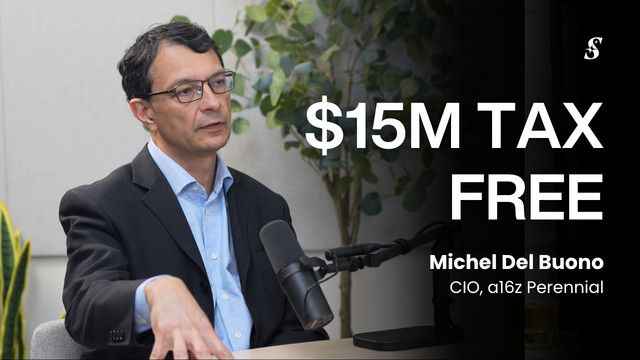
- QSBS offers significant tax exemptions (up to $15 million) for founders who hold stock in qualified small businesses, and these benefits can be "stacked" across multiple trusts for increased tax savings.
- Tax optimization involves a holistic approach, combining various strategies like trust structures, tax loss harvesting through investment strategies, and charitable giving.
- The secondary market for private company shares, while active, carries substantial risks due to complex, multi-layered structures (L1, L2, L3) and lack of direct claim on the underlying stock. Due diligence on legal agreements and fees is critical.
- Portfolio construction should be highly personalized, considering factors like age, cash needs, and family values. It is not a one-size-fits-all approach, especially for trusts dedicated to different beneficiaries.
- The rise of AI and increasing access to private markets through new investment vehicles are democratizing alternative assets, but require deep expertise to navigate their complexities and inherent risks.
- Tax benefits for real assets like real estate and oil wells, through accelerated depreciation and step-up in basis, make them attractive for long-term wealth accumulation, provided they are structured correctly and aligned with an individual's tax situation.
- A significant challenge in wealth management is the psychological aspect of making long-term financial decisions, particularly around wealth transfer and philanthropic intent, which often causes delays in effective planning.
- Multidisciplinary advice is crucial to effectively manage liquidity events, as separate experts (attorneys, investment advisors) often lack the comprehensive understanding to integrate all strategies for optimal outcomes.
NOTABLE QUOTES
"100% of your gain is subject to at least long-term capital gain tax, which depending on the state you're in, can be upwards of 35%."
"There's really only three places your money can go. It's your family, it's charity, and it's the IRS."
"The biggest mistake is they don't think about this, and then at the last minute they try to build all this and run all these roadblocks which are again, complicated discussions they have to have as a family, as a broad family, and they're not ready to do that, they haven't thought about it, and they don't have the time to do that."
"Each time you're further and further away from the stock, and so there's more and more risk that you don't get, you know, what you thought you would."
"You know, when one structures these things, you know, again, be really, I mean, I'm sounding very repetitive here, but do your operational diligence, do your legal diligence."
Summarized with DriftNote — AI-powered podcast summaries
Try it free